
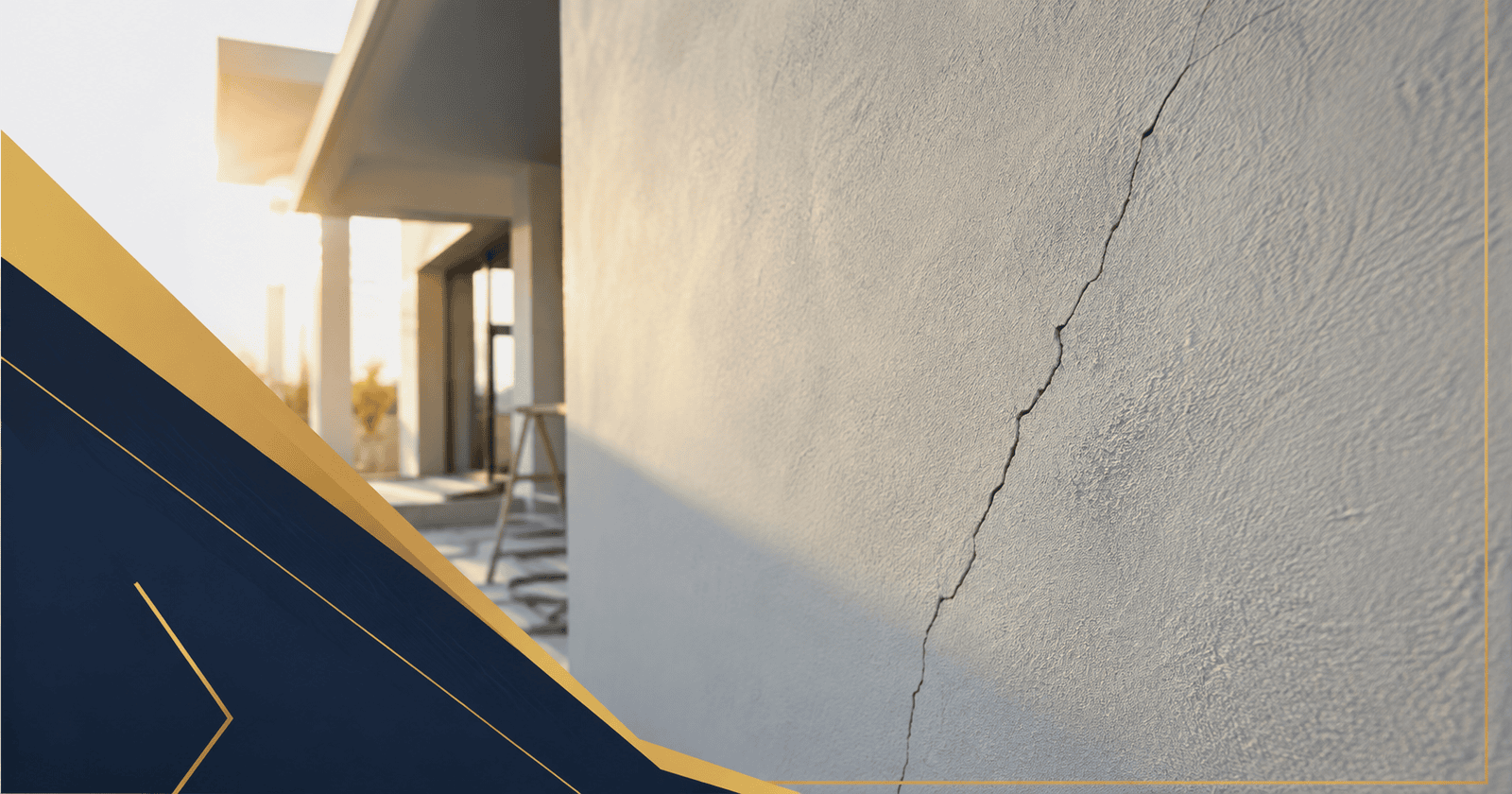
Many homeowners are surprised to notice small cracks appearing in their newly constructed building. It's natural to wonder whether this is a sign of poor construction or a serious structural issue.
The good news is that not all cracks indicate a problem. In many cases, minor cracks are a normal part of a building's settling process. However, understanding why these cracks occur and knowing how they can be prevented helps homeowners distinguish between harmless cosmetic cracks and those that require professional attention.
At DK HOMES, we believe that quality construction goes beyond building beautiful homes—it means educating homeowners and following construction practices that minimize future issues.
Why Do Cracks Appear in New Buildings?
Newly constructed buildings undergo several physical changes during their first few months and even years. As materials dry, settle, and adjust to environmental conditions, minor cracks may develop.
1. Natural Settlement of the Building
Every building settles after construction as the foundation gradually adapts to the soil beneath it. This process is completely normal.
Minor hairline cracks may appear around:
- Corners of doors and windows
- Ceiling joints
- Wall intersections
- Plastered surfaces
These are generally cosmetic and do not affect the structural integrity of the building.
2. Shrinkage of Concrete and Plaster
Concrete and cement plaster contain water during construction. As this moisture evaporates, the materials shrink slightly.
This natural shrinkage can lead to:
- Hairline plaster cracks
- Surface cracks on walls
- Minor cracks near beams and columns
Proper curing significantly reduces these shrinkage cracks.
3. Temperature Changes
Construction materials continuously expand and contract with changing temperatures.
Without proper expansion joints or quality construction practices, repeated thermal movement can create visible cracks over time.
4. Moisture Variation
Walls exposed to rain, humidity, or excessive drying experience changes in moisture content.
Repeated wetting and drying cycles can cause plaster to expand and contract, resulting in surface cracks.
5. Poor Construction Practices
While many cracks are harmless, some occur due to avoidable construction mistakes such as:
- Improper concrete mix ratio
- Inadequate curing
- Low-quality construction materials
- Poor workmanship
- Insufficient reinforcement
- Weak foundation preparation
These issues can lead to wider cracks that require professional evaluation.
How Can Cracks Be Prevented?
Although some minor settlement cracks are unavoidable, following the right construction practices significantly reduces their occurrence.
1. Use High-Quality Construction Materials
The strength and durability of a home depend heavily on the quality of materials used.
At DK HOMES, we source premium-grade cement, steel, aggregates, and finishing materials to ensure long-lasting performance.
2. Ensure Proper Soil Investigation
A strong building begins with a strong foundation.
Before construction starts, understanding the soil's load-bearing capacity helps determine the right foundation type, reducing the risk of uneven settlement.
3. Follow the Correct Concrete Mix Design
Using the correct mix ratio ensures optimum strength and minimizes excessive shrinkage.
Professional quality control during batching and mixing plays a vital role in preventing future cracks.
4. Adequate Concrete Curing
One of the most important yet often overlooked steps is curing.
Keeping concrete adequately moist for the recommended duration allows it to gain strength gradually while reducing shrinkage cracks.
Proper curing also improves:
- Strength
- Durability
- Water resistance
- Crack resistance
5. Skilled Workmanship
Even premium materials cannot compensate for poor workmanship.
Experienced engineers, supervisors, and skilled labours ensure that construction follows engineering standards from foundation to finishing.
At DK HOMES, every stage of construction is monitored carefully to maintain consistent quality.
Quality Plastering Techniques
Proper plaster thickness, curing, and finishing techniques help reduce surface cracks.
Using quality plaster materials and allowing sufficient drying time before painting also contributes to better long-term performance.
Waterproofing and Moisture Protection
Water infiltration is one of the leading causes of cracks over time.
Professional waterproofing for terraces, bathrooms, balconies, and external walls protects the structure from moisture-related damage and extends the life of the building.
When Should You Be Concerned?
While hairline cracks are generally harmless, certain cracks should be inspected by professionals.
Watch out for:
- Cracks wider than 3 mm
- Diagonal cracks extending from windows or doors
- Horizontal cracks in structural walls
- Cracks accompanied by water leakage
- Rapidly expanding cracks
- Uneven floors or doors that no longer close properly
These may indicate structural movement or foundation issues that require immediate attention.
Why Homeowners Trust DK HOMES
Building a home is one of the biggest investments you'll ever make. That's why choosing a builder committed to quality construction is essential.
At DK HOMES, every project is built with a focus on:
- Premium construction materials
- Engineered foundation design
- Strict quality inspections
- Skilled workmanship
- Proper curing practices
- Modern waterproofing solutions
- Transparent construction process
Our goal is not just to build houses, but to create homes that remain strong, safe, and beautiful for generations.
Final Thoughts
Seeing a few hairline cracks in a newly constructed building is often a normal part of the settling and curing process. However, quality construction practices play a significant role in minimizing cracks and ensuring the long-term durability of your home.
By choosing experienced professionals, using premium materials, and following proper engineering standards, many crack-related issues can be prevented before they begin.
At DK HOMES, we combine expert planning, precision engineering, and uncompromising quality to deliver homes that stand the test of time.
Planning to build your dream home? Contact DK HOMES today to experience construction built on trust, quality, and lasting craftsmanship.